
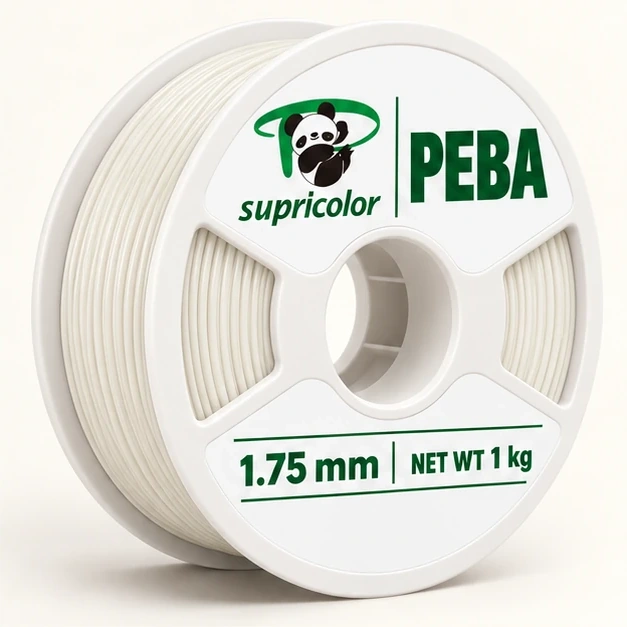
PEBA
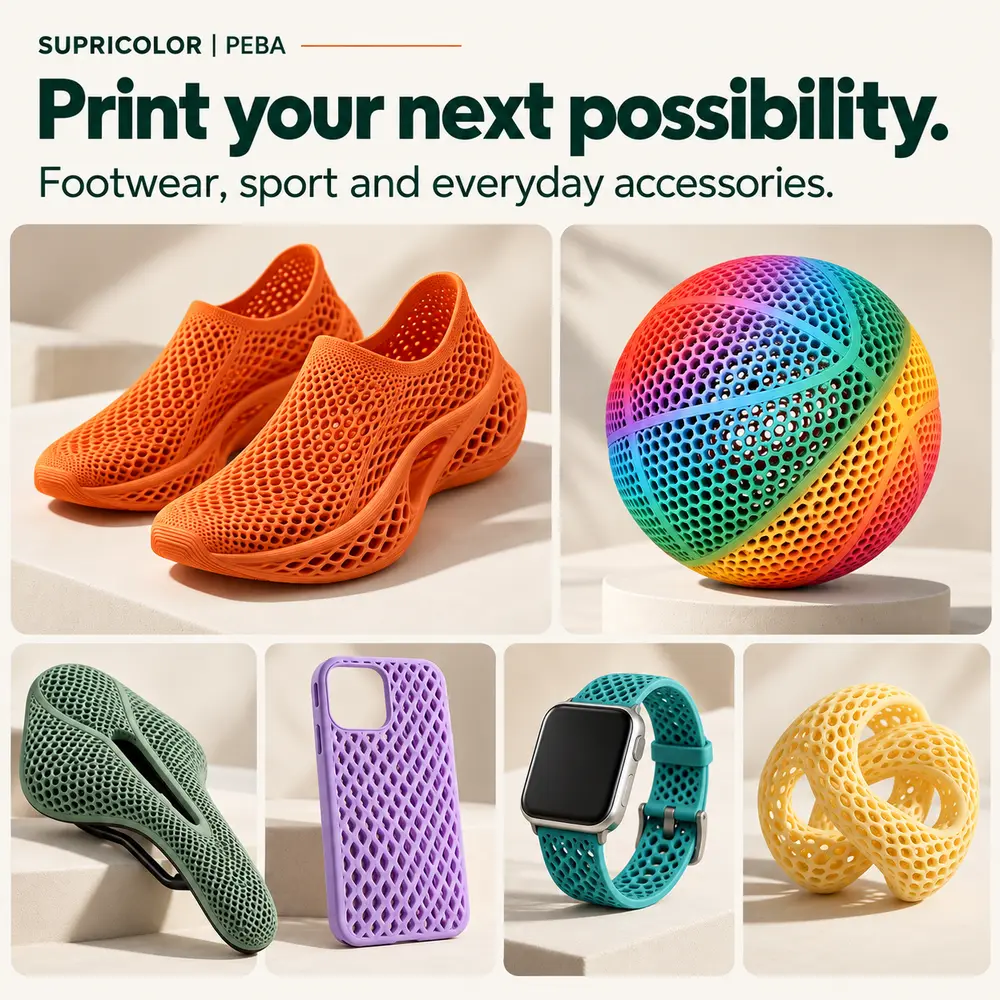
SUPRICOLOR PEBA is a thermoplastic elastomer with elastic recovery for forms that bend, compress and move. Its resilient character suits flexible prototypes and parts designed to undergo repeated deformation.
Select the format for your quotation. Available combinations are confirmed with your order.
Your quote list (0)
Opens your email app with the selected specifications. Availability and lead time are confirmed with your quotation.
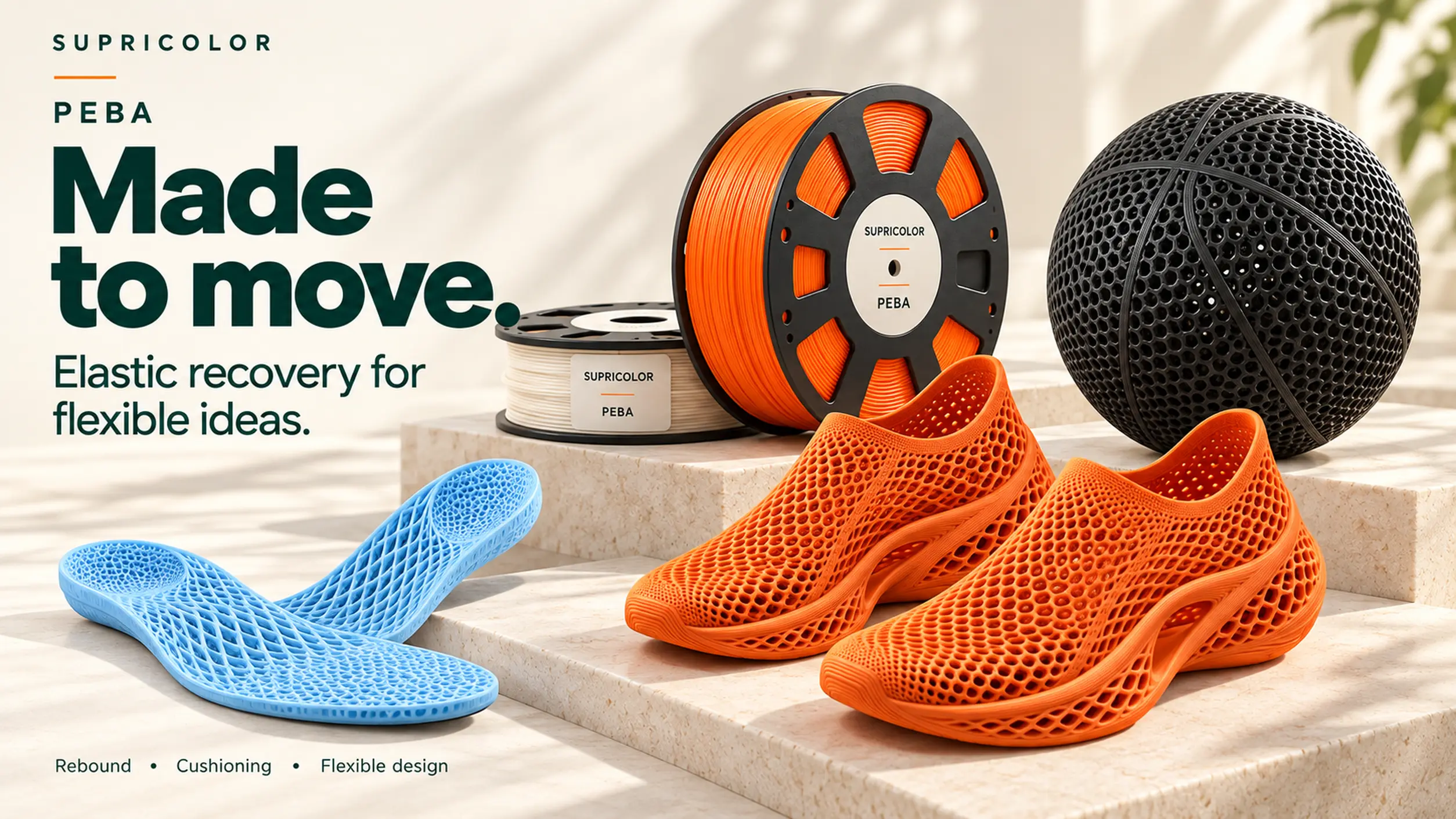
Cushion Impact. Recover Shape.
PEBA’s rubber-like flexibility and elastic recovery help cushion impact and restore shape after deformation. A versatile choice for cushioning structures, sports equipment components, protective parts, and impact-resistant prototypes.
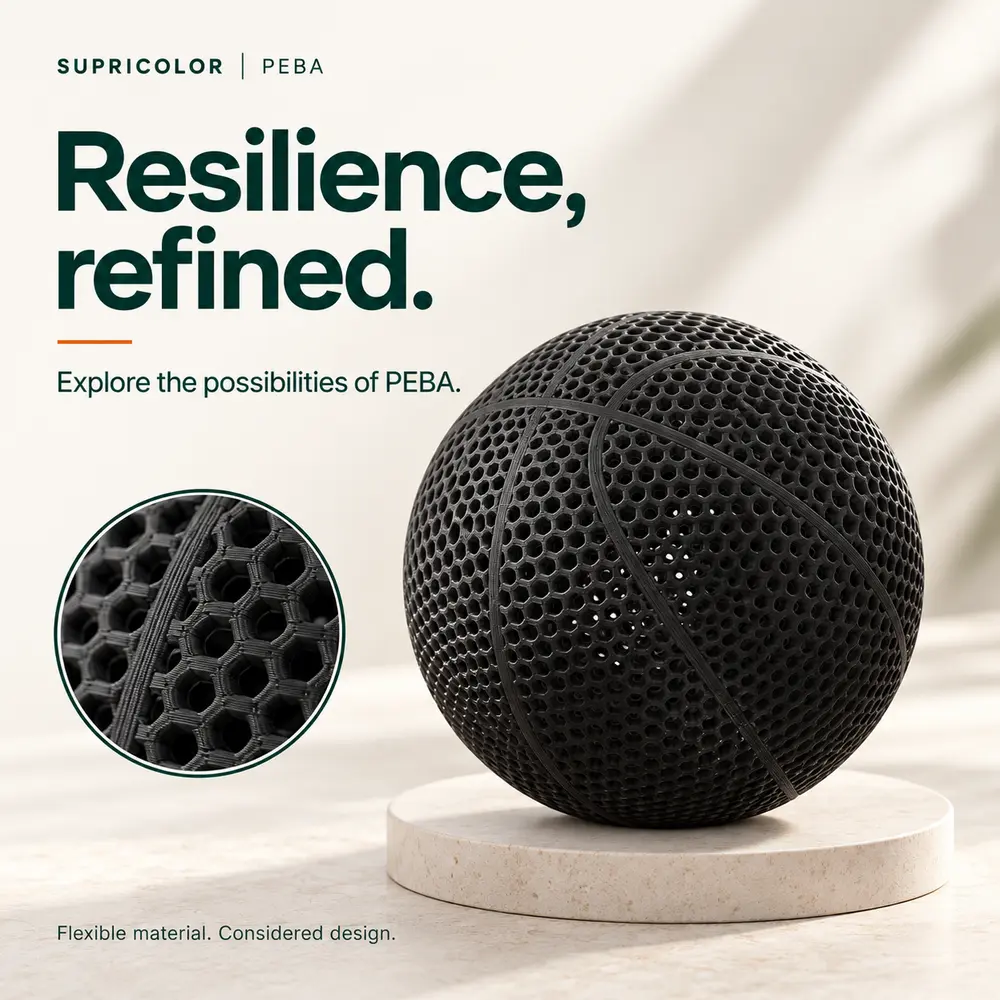
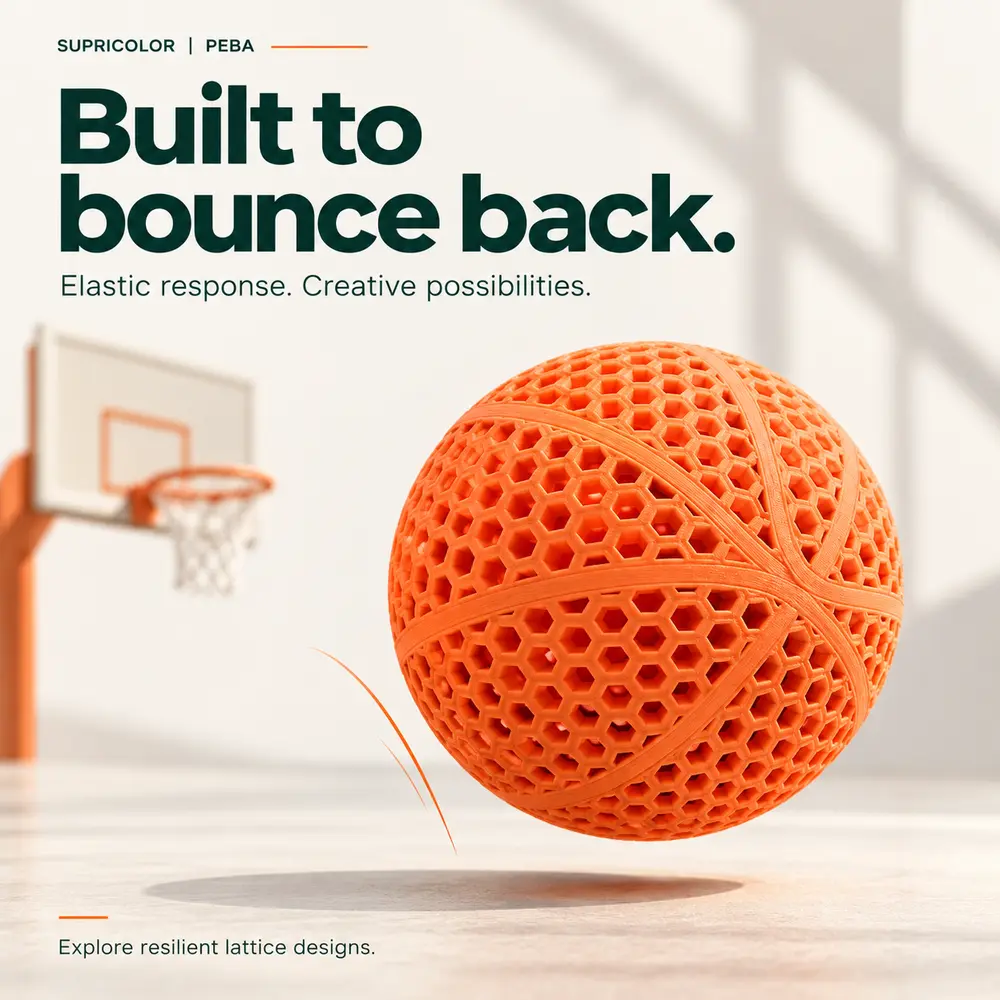
Designed for repeated deformation
The material is intended for elastic forms that bend or compress repeatedly, making it relevant to active product development.
Flexibility shaped by geometry
Lattices, thin sections and curved walls offer different ways to develop the response of a printed form.
Five supplied references—red, yellow, orange, white and black—help distinguish design versions and explore their appearance.
The right setup.
A considered result.
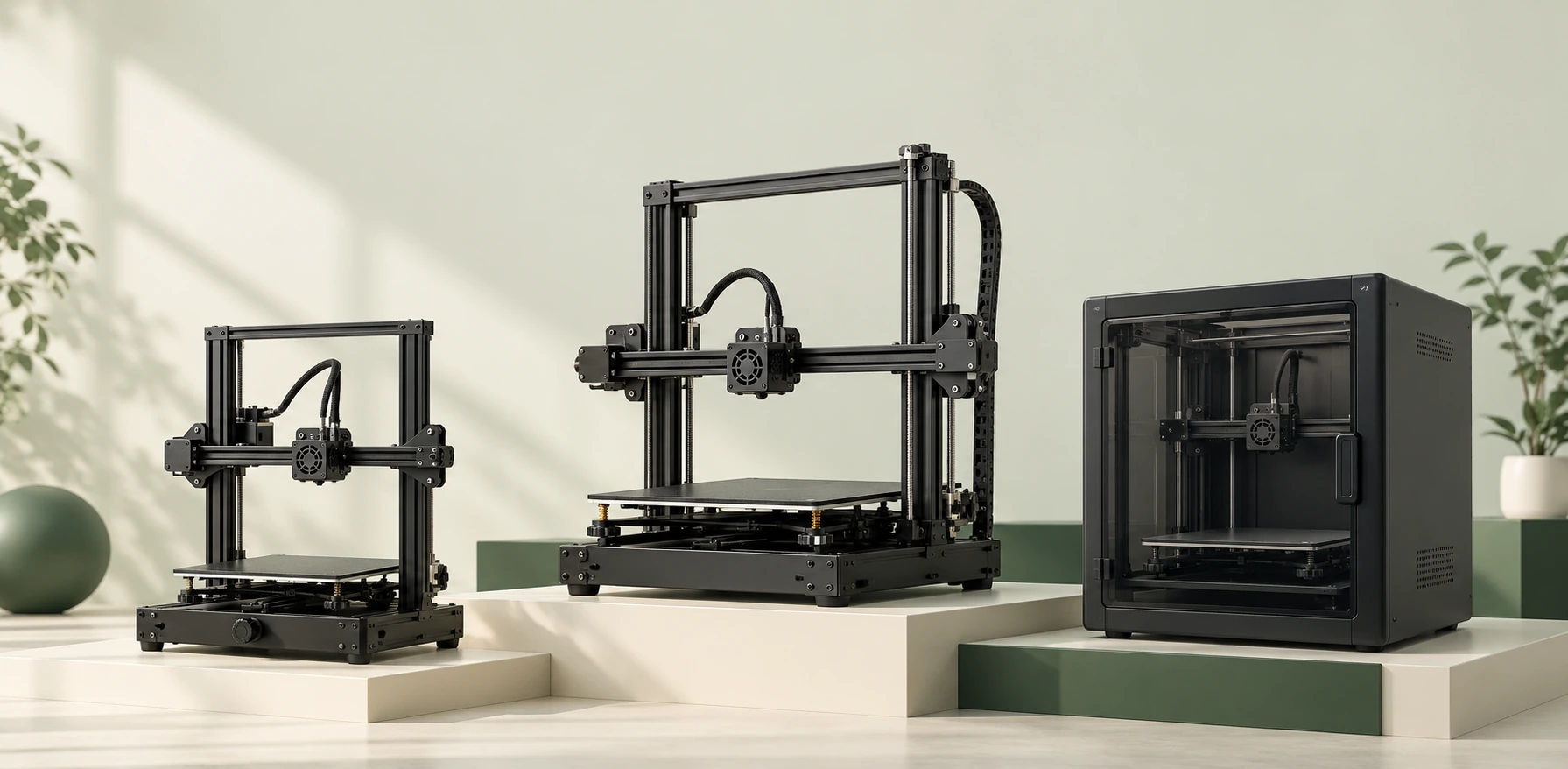
Use a printer and feeding system that support flexible filament. Keep the feed path short and controlled, then tune speed and retraction for the selected material.
Put the material into your next idea.
Explore ideas for this material, then evaluate a printed sample against your project requirements.
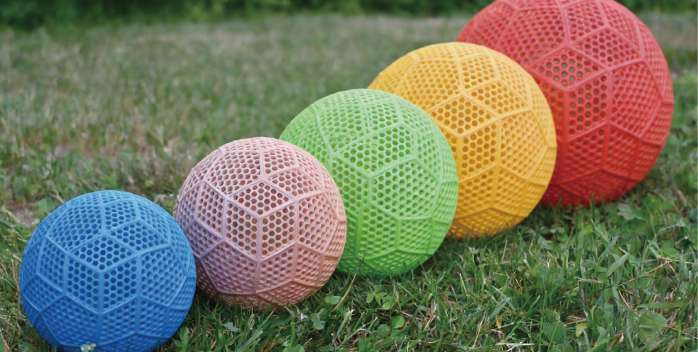
Elastic prototype forms
Explore lattices, compression shapes and bendable elements, checking their response through controlled prototype trials.
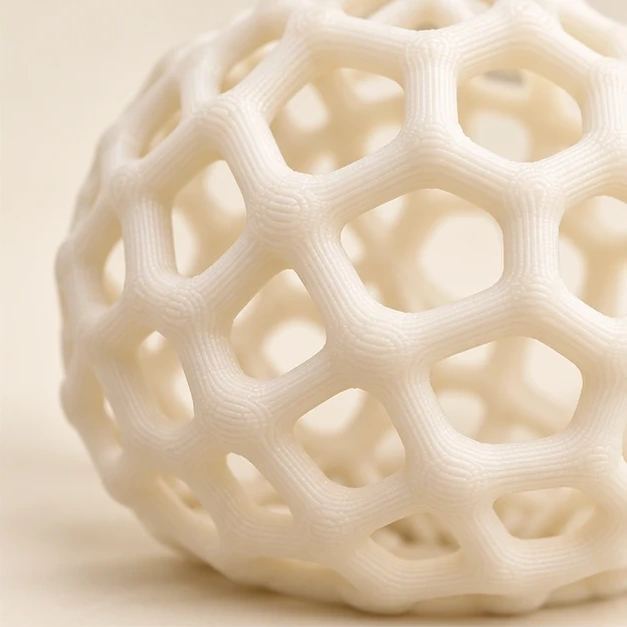
Sports-product development
Create concept geometries to investigate shape and movement before product-level performance testing.
Wearable form studies
Develop fit-and-motion mockups; confirm the material and finished part separately for any intended end-use contact.
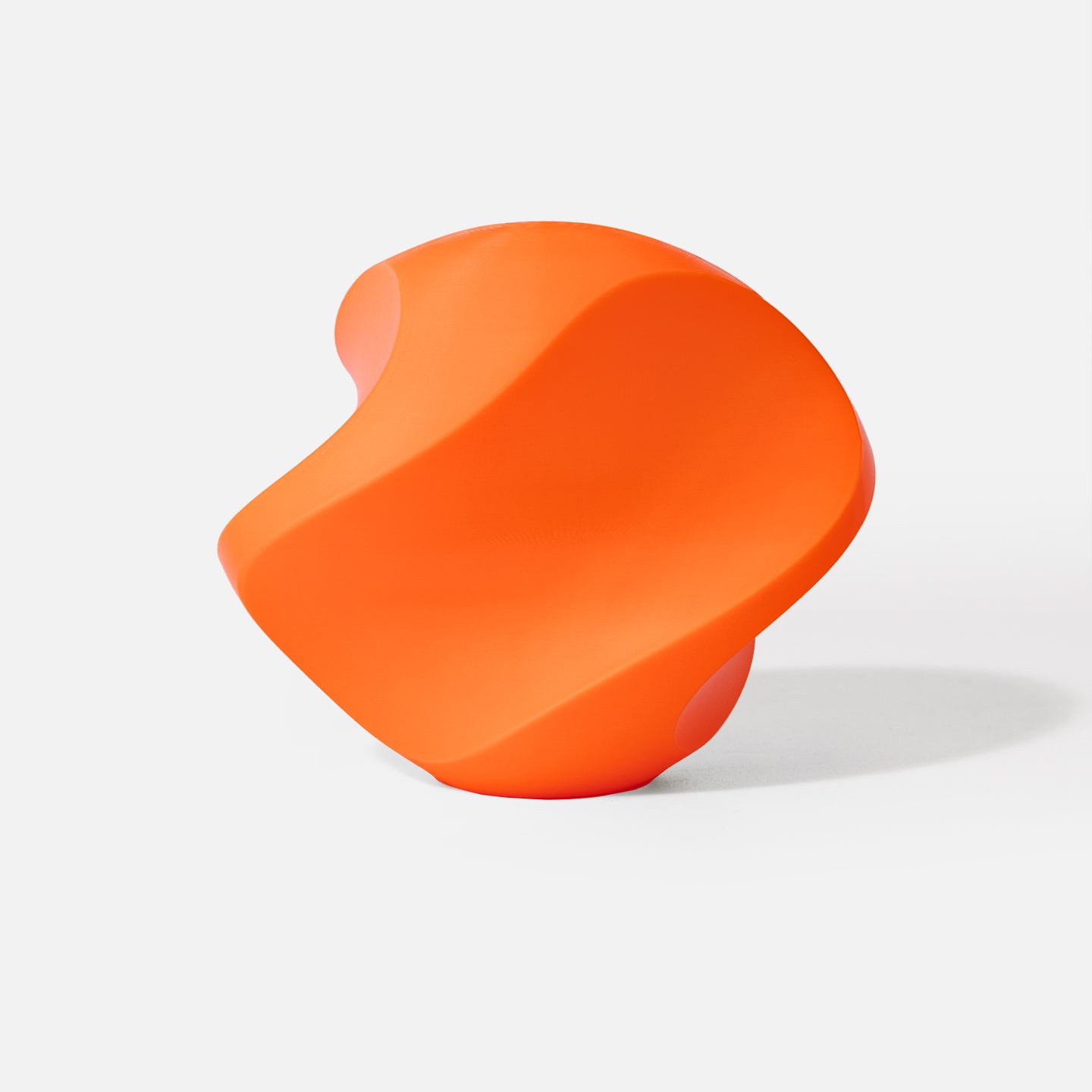
Color & finish studies
Compare PEBA colors and surface details with a representative printed sample.
Prototype refinement
Print, review and refine the geometry before moving on to your next iteration.
Swipe or scroll to explore all five applications
Videos
A closer look at the printing process, surface finish and finished models.
From filament to finished ideas.
Video coming soon
PEBA parameters.
Recommended print settings and material properties for your next project.
Print settings
PEBA- Pre-print drying (filament dryer)
- 50 ± 5 °C, 4–8 h
- Printing & storage humidity
- <20% RH — store sealed with desiccant
- Nozzle temperature
- 210–240 °C
- Nozzle size
- 0.4/0.6/0.8 mm
- Build plate type
- Stabilized Low-Temperature / Textured PEI / Smooth PEI
- Build plate temperature
- 30–35 °C
- Cooling fan
- 100%
- Printing speed
- 20–100 mm/s
- Retraction distance
- 0.4–0.8 mm
- Retraction speed
- 20–40 mm/s
- Printing environment temperature
- 25–45 °C
- Maximum overhang angle
- 55°
- Maximum bridge length
- 20 mm
- Build plate surface treatment
- No special treatment required
- Support material
- —
Mechanical properties
STRENGTH & PERFORMANCE- Tensile strength
- 12MPa
- Elongation at break
- >1000%
- Flexural modulus
- —MPa
- Flexural strength
- —MPa
- Impact strength
- 124kJ/m²
Use these values as a starting point. Fine-tune settings to suit your printer, model geometry and ambient conditions.